
Properly installing cable lugs is essential for ensuring reliable electrical connections, minimizing the risk of electrical faults, and ensuring safety in various electrical systems. In this guide, we’ll walk you through the process of installing cable lugs, highlight different types of cable lugs, and provide expert tips to help you achieve a professional-grade installation.
Step-by-Step Guide to Installing Cable Lugs
Follow these steps to properly install cable lugs:
- Prepare the Cable: Start by cutting the cable to the required length. Use a wire stripper to remove the insulation from the end of the cable, exposing enough conductor so it fits snugly into the cable lug.
- Select the Right Cable Lug: Choose a cable lug that matches the cable size and meets the load requirements of your application. Ensure the lug is made from materials compatible with both the cable and the connection point (e.g., copper or aluminum).
- Insert the Cable into the Lug: Gently rotate the exposed conductor into the barrel of the cable lug, making sure it fits tightly. The conductor should not protrude beyond the lug opening.
- Crimp the Cable Lug: Use a proper crimping tool designed specifically for the type and size of cable lug. Align the lug in the tool’s jaws, and apply even pressure to make a secure connection. Always follow the manufacturer’s recommendations for crimping.
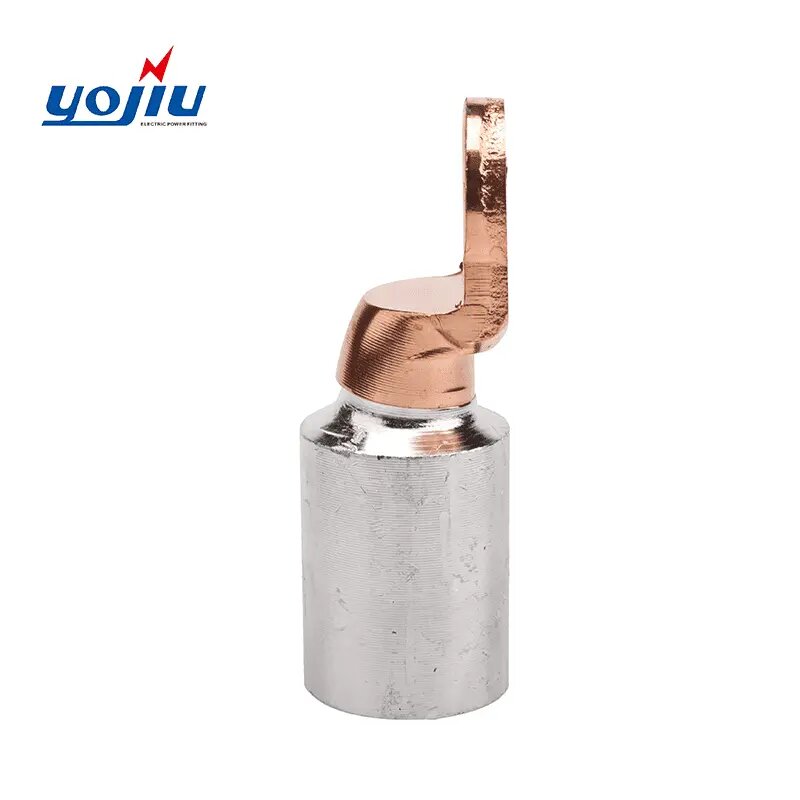
- Heat Shrink Tubing (Optional): For added protection and insulation, slide a heat shrink tube over the lug and heat it evenly with a heat gun until it shrinks securely around the lug and cable.
- Inspect and Test: Finally, visually inspect the connection to ensure it’s secure and properly crimped. Use a multimeter to check the continuity and resistance of the connection.
How Many Types of Cable Lugs?
There are various types of cable lugs designed for different applications and cable types. Here’s a quick overview of the most common ones:
- Ring Lugs: These are the most commonly used and offer a reliable connection by bolting the lug to a terminal.
- Fork Lugs: Similar to ring lugs but with an open-ended design, making it easier to attach and detach without removing screws completely.
- Pin Lugs: Designed for connecting to clamp or set screw terminals, allowing for a strong and simple connection.
- Tube Lugs: Often used in industrial applications, they provide a heavy-duty connection for large cables.
- Compression Lugs: These are crimped onto the cable and can offer water-resistant or waterproof connections if sealed with heat shrink tubing.
Expert Tips for Successful Cable Lug Installation
Keep these tips in mind for a professional and safe cable lug installation:
- Always use the correct size of lug and crimping tool for your cable to avoid weak or faulty connections.
- Inspect the cable for any damage before installation, as nicks or tears in the conductor can compromise performance.
- Ensure the crimping tool is properly maintained and in good working condition to achieve precise crimps.
- Double-check lug material compatibility with the cable and application environment (e.g., corrosive, high-temperature).
FAQs
What are the main applications of cable lugs?
Cable lugs are primarily used for ensuring secure electrical connections in residential, commercial, and industrial settings. They’re essential for connecting cables to terminals, electrical panels, switches, and equipment.
Can I reuse cable lugs?
Reusing cable lugs is not recommended as their integrity may be compromised during removal, leading to weaker electrical connections.
Why is crimping preferred over soldering for cable lugs?
Crimping ensures a mechanical bond that is strong, reliable, and less prone to failure under stress or vibration, whereas soldering may be more brittle in such conditions.
What tools are needed to install cable lugs?
Essential tools include a wire stripper, cable cutter, crimping tool, and a heat gun for shrink tubing (if needed).
Installing cable lugs correctly is critical for creating safe and efficient electrical systems. By following the step-by-step instructions and using the right tools, you can ensure a secure connection that lasts. Whether you’re working with ring lugs, fork lugs, or compression lugs, understanding their unique characteristics will help you choose the perfect solution for your application. Take the time to inspect your setup thoroughly, and don’t hesitate to seek professional advice when needed for more complex projects.
Post time: Mar-16-2026